House Sparrow
Passer domesticus
Group: old world sparrows
UK Conservation status: 🔴 Red
The House Sparrow (Passer domesticus) is one of the UK’s most familiar and beloved birds. For centuries, it has lived alongside people in towns, villages and cities, becoming a symbol of everyday wildlife and a reminder that nature can thrive even in the most built‑up places. Yet, despite its familiarity, the House Sparrow has suffered a dramatic decline across the UK, making it more important than ever to understand, recognise and protect this small bird.
What Is a House Sparrow?
The House Sparrow is a small, stocky bird with a rounded head and short, conical beak designed for eating seeds. Unlike many other birds, House Sparrows are highly social and almost always found in groups. They are closely associated with human settlements and are rarely found far from buildings.
In the UK, the House Sparrow is a native species and has historically been one of the most common birds in urban and suburban areas. Their cheerful chirping and bustling behaviour once defined gardens, streets and farmyards across the country.
How to Identify a House Sparrow
Identifying a House Sparrow is relatively easy once you know what to look for:
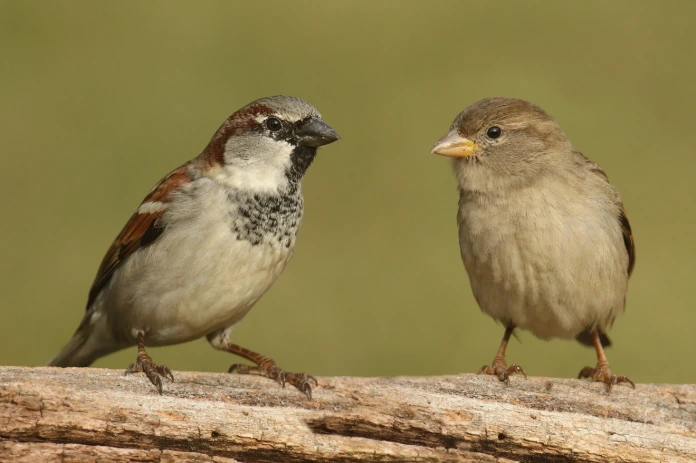
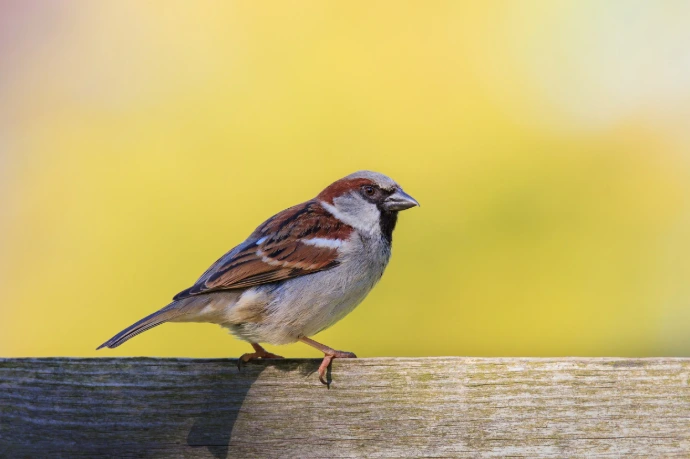
Male House Sparrow
Grey crown with a chestnut-brown nape
White cheeks
Distinctive black “bib” on the throat and chest (larger in older, more dominant males)
Brown wings with black streaks
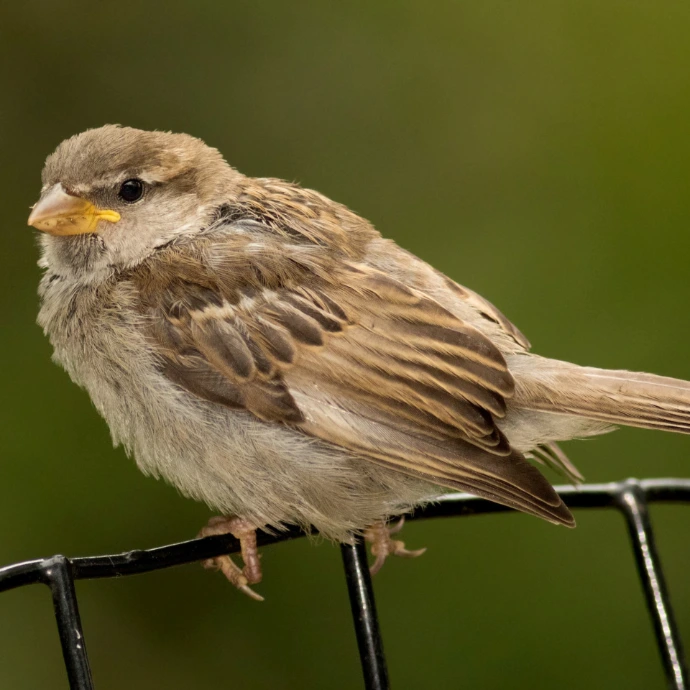
Female House Sparrow
Plainer brown overall
Pale stripe behind the eye
No black bib
Size and Shape
Small and chunky, about 14–16 cm long
Short tail and thick beak
Call
A repetitive, chirping “cheep cheep”, often heard in groups
House Sparrows are often confused with Tree Sparrows, but Tree Sparrows have a fully chestnut head and a black spot on their white cheeks—features the House Sparrow does not have.
Where Do House Sparrows Live?
House Sparrows are closely tied to people. In the UK, they are commonly found in:
Residential streets and housing estates
Gardens and parks
Farms and rural villages
Around shops, schools and community buildings
They nest in small cavities such as roof spaces, holes in walls, dense hedges, and specially designed nest boxes. They often return to the same nesting sites year after year.
The Decline of the House Sparrow in the UK
Despite once being extremely common, the House Sparrow has experienced a severe decline in the UK since the 1970s. According to organisations such as the RSPB, House Sparrow numbers have dropped by around 60% nationally, with even steeper declines in major cities like London.
This decline led to the House Sparrow being placed on the UK Red List of Birds of Conservation Concern, highlighting the urgent need for action.
Why Are House Sparrows Declining?
Experts, including the RSPB, believe the decline is due to a combination of factors:
Loss of nesting sites: Modern buildings are sealed and renovated in ways that remove gaps and cavities where sparrows once nested.
Lack of food: Changes in farming practices, increased use of pesticides, and tidier urban spaces mean fewer insects and seeds, especially important for feeding chicks.
Urban development: Dense housing, fewer green spaces, and the removal of hedges reduce suitable habitat.
Air pollution: Studies suggest pollution can reduce insect populations, indirectly affecting sparrows.
No single cause explains the decline, but together these pressures have had a serious impact.
Why House Sparrows Matter
House Sparrows play an important role in the ecosystem. They help control insect populations and are part of the food chain, supporting predators such as birds of prey. Culturally, they are deeply woven into British life, folklore and history.
Their decline is also a warning sign. Because House Sparrows live so closely with humans, their struggles reflect wider environmental problems in our towns and cities.
How You Can Help House Sparrows
The good news is that everyone can help, even in small ways:
1. Install Nest Boxes
Use nest boxes designed specifically for sparrows
Place them under eaves or on walls, ideally in groups
2. Make Your Garden Sparrow‑Friendly
Plant native shrubs and hedges
Leave some areas a little wild to support insects
Avoid using pesticides
3. Support Conservation Efforts
Get involved with local wildlife groups
Take part in bird surveys such as those organised by the RSPB
Encourage schools and communities to care about urban wildlife
A Shared Responsibility
The House Sparrow has lived alongside people in the UK for generations. Its decline is not just a conservation issue it is a shared responsibility. By making small changes in our gardens, neighbourhoods and attitudes, we can help ensure that future generations grow up hearing the familiar chirping of House Sparrows once again.
Protecting the House Sparrow means protecting the everyday nature that connects us all.